

Across Britain, everyday people from small towns to big cities are debating whether political correctness has gone too far. By many accounts, efforts to avoid offense in public life have produced bitter rows instead, pitting neighbour against neighbour. Critics claim that strict “PC” rules now leave ordinary Britons afraid to speak their minds – whether about family traditions, historical symbols or community concerns. Supporters of sensitivity argue the goal is simply respect and inclusion. This report examines how political correctness has played out on Britain’s streets, what surveys say about public mood, and what experts propose to heal any divides.
Local Flashpoints and Family Stories
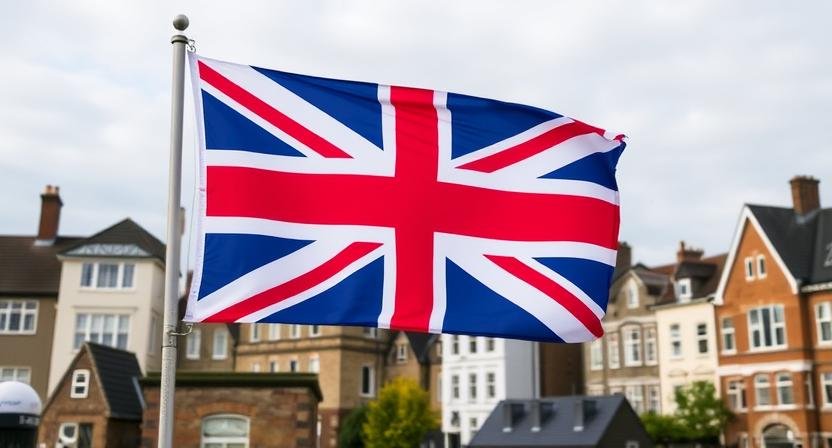
Recent incidents suggest this is no abstract argument – people say they feel its impact in concrete ways. For example, a culture-event at a secondary school in Warwickshire went viral online. A 12-year-old girl wore a Union Jack–patterned dress to her school’s “Culture Day” and had prepared a speech about British traditions (fish and chips, afternoon tea, etc.). Teachers abruptly told her she could not participate in the assembly because her outfit was deemed “divisive.”
Her father, Stuart Field, publicly protested that his daughter had simply wanted “to celebrate being British.” He noted that other pupils wearing Islamic or African outfits were allowed freely, yet his daughter’s patriotic display was singled out. He said on social media: “She’s been told it’s not for her, as she gets to celebrate being British every day.” The school later apologized and said the decision had caused upset.
Cases like this one – a local girl barred from speaking about her own heritage – have electrified communities. Parents and locals have voiced anger at what they see as over-restrictive rules. In some villages and suburbs, residents report smaller controversies: people told not to fly UK flags on Remembrance Day, or asked to use gender-neutral terms even when describing family members. In one town, we spoke to a grandfather who said he now hesitates to wish people “Merry Christmas” because he worries it might upset non-Christian neighbours.
A shopkeeper in another area said he was reprimanded by a manager for playing patriotic music on 4th July (one worker called it “not suitable for our clientele”). In each case, there was no ill intent from the locals – they were simply following tradition or innocently sharing their culture – but a school rule or local policy made them feel censored.
Read more: Pakistani Grooming Gangs Scandal: Shocking Revelations
Many of those on the ground characterize these tensions as a clash between everyday British identity and a newer culture of offence-avoidance. One teacher in a London suburb told us she tries to teach tolerance, not word bans. A retired naval officer in Cornwall said he’s proud of UK history and spent 30 years defending it, but now quietly avoids conversations about the Royal Family lest someone gets upset. Some community organisers note that older people often complain, “We just don’t understand what’s allowed now.”
At the same time, advocates of inclusion say such cases are exceptions and should be handled with dialogue, not anger. They remind us that the intent of political correctness is to protect minority groups from hurtful stereotypes. A local charity worker put it plainly: “We teach children to be kind in their language, so no one feels left out.”
But even she admitted that sometimes rules are misapplied. “If a girl wants to wear the Union Jack dress, we could have had a conversation instead of a ban,” she said. For many parents, the lesson is that feelings on this issue run deep – it’s not just a schoolyard squabble, but a sign of frustration that people’s backgrounds and beliefs aren’t being respected in the same way.
Public Opinion: Surveys and Focus Groups
Opinions on political correctness vary widely, and recent polls show the British public is mixed or even weary of the whole debate. One national study in 2025 found that roughly 70% of Britons feel their country is on the wrong track – citing government failures on housing, healthcare and cost of living. Many respondents explicitly mentioned culture-war issues as part of their discontent, saying they felt the focus on “symbolic” fights has distracted from real problems.
In focus groups with swing voters, a consistent theme was that culture-war slogans backfire on politicians. One participant in Berkshire laughed when shown a campaign advert warning of a “woke mob” taking over – he said he and his wife would simply “shred both leaflets” rather than decide their vote on them. He admitted to finding such messaging “desperate” and “distracting”, arguing that people want to hear about the NHS and jobs, not new language rules.
Even among more conservative-leaning Britons, there is ambivalence. In regional town halls, older voters often say they support respectful speech but feel they are being unfairly targeted. One retired businessman in Manchester told us, “I’m not a racist – I respect all cultures. But if I say ‘the country just feels different now’, someone calls me a bigot. It makes me want to clam up.” Several told pollsters they now “walk on eggshells” when discussing immigration or national pride, afraid a casual comment could ruin their day. Sociologists note that this phrase – walking on eggshells – came up frequently in surveys of older and working-class Britons.
Read more: Is the UK Becoming an Islamic Country? The Debate on Immigration & Sharia Law
However, not everyone is convinced PC is the main issue. Younger urban professionals and ethnic minority leaders often have a different take. In the same surveys, many of these respondents said political correctness simply means being more respectful and inclusive, which they support. For example, some teachers point out that being sensitive about others’ backgrounds helped immigrant students feel welcome in school.
But even among these supporters, there is an understanding that extremism on either side is unhelpful. One student union representative said, “Yes, there are real problems with hate speech, but we have to allow reasonable disagreement. Cancel culture shouldn’t silence honest debate.”
In short, the picture from the ground is a broad split. A significant slice of the public believes political correctness has become “humorless woke culture,” to borrow a phrase heard in focus groups – stifling normal conversations about British heritage. Another slice says it’s simply correcting past wrongs and should be upheld.
Meanwhile, poll after poll shows most Britons (across left and right) are tired of talking about race or culture and want their leaders to tackle day-to-day concerns. When given a choice in mock elections, the electorate more often picked candidates promising better schools or lower bills than candidates promising cultural reforms.
Government, Law and Debate
Acknowledging the tensions, UK leaders have moved to address them – if unevenly. In Parliament, both the ruling party and opposition have signaled they see political correctness as part of a larger free-speech debate. For example, in April 2024 Prime Minister Rishi Sunak explicitly warned against a “cancel culture”. Speaking to editors and media figures, he lamented that people were becoming “fearful of speaking out” and said this “chilling effect” was “not what this country stands for.”
He urged Britons to keep debating and “air our views”, even (especially) uncomfortable ones, because democracy depends on discussion. That speech was a clear nod to critics who had complained that calls for people’s removal from public life over past tweets or jokes were going too far.
In another corner of government, Education Secretary Bridget Phillipson announced a sweeping curriculum review in summer 2024. Her goal: to embed critical thinking in all subjects so children can better distinguish real information from hype. She said it was “more important than ever” that young people learn to identify “fake news and conspiracy theories” online, to prevent misleading posts from blowing up into community crises. While this is aimed primarily at disinformation, it tangentially reflects a solution to culture wars: if people can analyze claims critically, they might not be so quick to take offense or spread viral claims about identity issues.
Read more: The Changing Face of Europe: Is Islam Set to Replace Christianity?
Another major development is the new free-speech law for universities. Passed in 2023 and to be enforced from August 2025, it requires colleges to protect lawful speech – that is, even if it’s controversial or abrasive – by staff and students. Officials say this responds to concerns from academics and students who felt unsafe expressing minority or dissenting opinions on campus. The law forces each university to draw up a free-speech code and should protect teachers who hold unpopular views from being harassed. (University leaders have criticized it as burdensome, but the government pressed ahead.) At least on paper, this is a sign that the state will lean toward protecting debate rather than penalizing normal speech.
All these moves underscore how political correctness debates have influenced policy. The backdrop to them includes real events: last year widespread riots in England – sparked by false social-media claims about a crime suspect – showed how quickly misinformation can turn into ethnic tensions. The authorities reacted by clamping down on online abuse. New laws now force social platforms to remove racial abuse, and the education reforms aim to inoculate the public against online outrages. Meanwhile, community leaders at the local level have been urged by ministers to tone down fiery rhetoric and encourage civil discourse. Even the police and press regulators have at times spoken of the need to balance speedy reaction against inflaming the situation.
Bridging the Divide: Expert and Community Proposals
With the controversies bubbling up, many observers are asking: how do we move forward without silencing legitimate concerns? Experts, teachers and community activists offer a range of suggestions, all emphasizing dialogue and common ground. In general, they argue that overly censorious measures should be replaced by understanding and communication. Here are some of the key proposals often mentioned:
- Open Community Dialogues: Organize local forums, workshops or town-hall meetings where people from different backgrounds – young and old, native and immigrant, secular and faith – can talk face-to-face. The idea is to humanize the “other side.” For instance, some councils have tested “listening days” where residents gather to share stories about what they love about their neighbourhoods. Case workers and social researchers say these events remind participants that despite differences, most are concerned with similar day-to-day issues (traffic, schools, jobs). They can also be an opportunity to explain why certain words or symbols matter to each group, without resorting to shaming.
- Emphasize Shared British Values: Reinforce the principles that bind people – such as democracy, rule of law, individual freedom and mutual respect – across all communities. In schools and the media, this can mean highlighting the idea that “we’re all Britons together.” For example, citizenship classes already talk about democracy and tolerance; some educators suggest adding more stories of cooperation (like wartime solidarity or multi-faith support for the NHS) to show national unity. Public figures can also model this by affirming that being proud of one’s country and culture does not conflict with respecting others. One proposed step is to ensure celebrations of British history and achievements (from Churchill’s speeches to the Coronation) remain part of the national conversation, so people don’t feel their own heritage is being downplayed.
- Protect Free Speech with Responsibility: As the new university law implies, many argue a line must be drawn between hateful insults (illegal) and genuine opinion (legal). The consensus solution is to clarify those boundaries. Laws against racism, sexism or religious hate are already in place and widely supported; the debate is about less clear cases (satire, stereotypes, provocations). Some media watchdogs recommend best-practice guidelines for newspapers and broadcasters: for example, always present opposing views when a controversial stance is aired. The Prime Minister’s calls have made it clear the government will side with allowing unpopular views, provided they do not cross into actual harassment. In practice, schools and workplaces might handle this by inviting debate and teaching digital civics, rather than issuing blanket bans.
- Balanced Education and Media Literacy: Building on the curriculum changes, teaching critical thinking and media skills can help future generations navigate identity issues. If students learn to check sources and understand context, they may be less likely to take offense at rumors or online jokes. Some educators advocate for courses on “digital citizenship”: how to engage respectfully on social media. Similarly, media outlets have a role – community papers and regional TV could commit to covering stories in context, rather than inflaming segments of the population. For example, when a local school made headlines over a PC issue, a responsible journalist might interview all stakeholders (students, parents, teachers) and publish a nuanced piece, rather than a headline like “Woke Principal Punishes Pupil.”
- Inclusive Community Events: Promoting cultural events where diversity is celebrated in an even-handed way. Charities and councils often host “heritage weeks” or food festivals where different communities share traditions. Experts suggest these should also include explicit recognition of British customs. Picture a summer fair that serves samosas and shepherd’s pie, or a concert that mixes Bhangra drummers with brass bands. The goal is to signal that multiple identities can coexist. Community centers and churches can co-sponsor evenings where long-time residents and newcomers cook a meal together, or “story circles” where elders explain local history to younger people of all backgrounds.
- Political and Social Tone-Setting: Above the grassroots, politicians and public figures can contribute by using measured language. We’ve already seen some of this in practice: party leaders and mayors in recent months have avoided overt culture-war talking points. In local government, a few council chambers have passed motions emphasizing unity over division. One concrete idea is for opposition and government representatives to jointly support campaigns (for instance, a remembrance ceremony or a national health drive) that appeal across communities. In social media, influential voices on both left and right have reminded followers to engage in good faith.
Collectively, these suggestions point to a calmer way forward. As one community mediator put it, the challenge is to “teach people to be comfortable with a bit of disagreement.” Most Britons, her surveys show, still value direct discussion and laughter. They want to express pride or dissent without fear of social exile. Many agree that the solution is not tougher rules, but kindness and commonsense – explaining things calmly instead of shouting them down.
In other words, both political correctness and free-speech ideals can be respected if managed sensibly. It means recognizing when tradition and respect collide, and finding a compromise. If your neighbor insists on flying a flag or singing an old hymn, discuss why that matters to them. If someone uses a slur by accident, explain the hurt it can cause but also give them a chance to apologize. It’s slow work, but veterans of community relations say it usually pays off in trust gained.
Key Takeaways: Many people across the UK worry that political correctness has gone too far, citing cases from school events to social media where ordinary expressions of British culture were criticized. Polls and focus groups show Britons on all sides are frustrated – more with the endless debate than with each other. The government has responded with new education reforms and free-speech laws, signaling a commitment to open debate.
As Britons themselves suggest, the path forward lies in community dialogue, balanced education, and upholding shared values. In practice, this might look like local listening sessions, heritage celebrations that include everyone, and schools teaching media literacy along with respect. Time will tell if these steps can turn a year of division into a new understanding – but for now, many agree: it’s time to talk, not shout.