


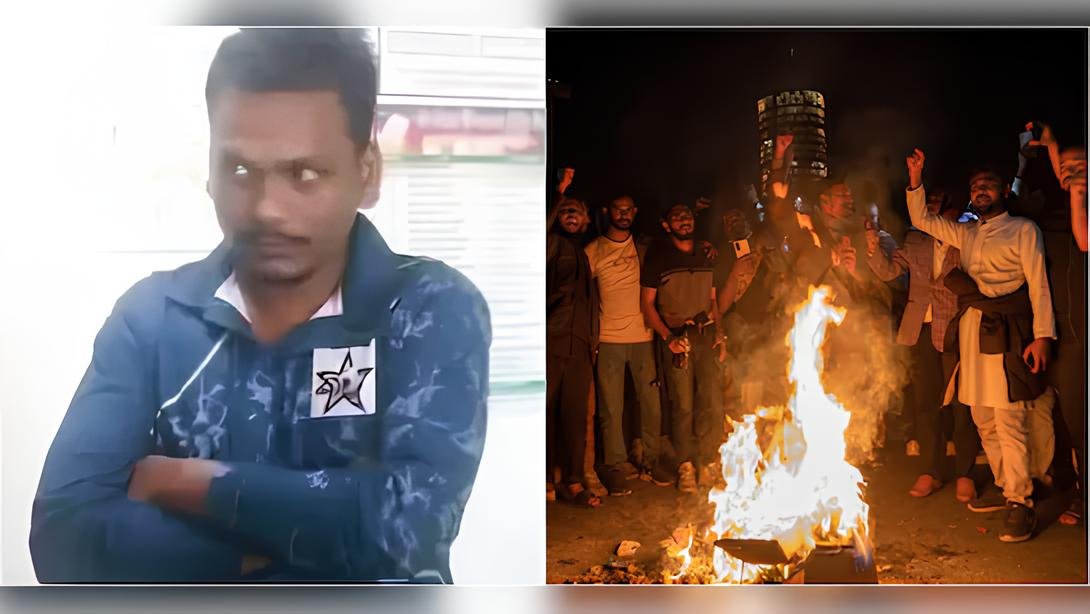
A Death That Shook More Than One Community
When news broke that a Hindu man lynched in Bangladesh over a blasphemy claim, it sent a chill far beyond the borders of Mymensingh. This was not just another crime report buried in the inside pages. It was the death of a working-class man, Dipu Chandra Das, inside a garment factory—an environment meant for livelihood, not violence.
In my decade-long experience covering South Asian human rights and communal violence, cases like this often follow a troubling pattern: a rumor, a crowd, and irreversible loss. This article promises to unpack what happened, why it matters, and what justice should realistically look like—without sensationalism, but with clarity and accountability.
Insights
The Bangladesh blasphemy killing of Dipu Chandra Das in Mymensingh highlights growing concerns about minority violence in Bangladesh, where religious rumors can trigger deadly mob attacks. Despite the absence of formal blasphemy laws, accusations continue to fuel vigilante violence, particularly against Hindu workers. The incident underscores urgent gaps in factory safety, law enforcement response, and protections for religious minorities in South Asia.
Overview of the Bangladesh Blasphemy Killing Case
A Brief Summary of the Incident
Reports indicate that Dipu Chandra Das, a Hindu worker, was attacked by a mob inside a garment factory in the Mymensingh district following an allegation of blasphemy. Within hours, the situation escalated beyond control, resulting in his death. The Hindu man beaten to death in Bangladesh case quickly drew national outrage.
Why This Case Stands Out
- The killing occurred in an industrial workplace, not a street protest
- No formal complaint or investigation preceded the violence
- It reflects a broader issue of Anti Hindu violence in Bangladesh
This is not just about one man. It speaks to the fragile safety net for minorities.
Who Was Dipu Chandra Das
Background of the Hindu Worker Killed in Bangladesh
Dipu Chandra Das was a garment factory employee—part of the backbone of Bangladesh’s export economy. Like many from the Hindu minority, he came from a modest background, working long hours for a steady income.
As a Hindu in a Muslim-majority country, he belonged to a community that has historically contributed to Bangladesh’s economy while living with underlying insecurity. The Hindu worker killed in Bangladesh was not a public figure, activist, or provocateur—just a man earning his living.
Community Reaction After Dipu Chandra Das Death
The aftermath was marked by fear and silence. Local Hindu residents reportedly stayed indoors, worried that speaking out might make them targets. Coworkers expressed shock, some privately admitting they felt powerless as events spiraled.
In many such cases I’ve covered, the initial hours after a killing determine whether justice or intimidation prevails.
What Happened at the Garment Factory in Mymensingh
Timeline of the Bangladesh Garment Factory Lynching
Based on available reports, the sequence unfolded rapidly:
- A verbal accusation of blasphemy surfaced inside the factory
- The claim spread through word of mouth, without verification
- A group confronted Dipu Chandra Das
- Violence escalated as more people joined
- He was beaten until he collapsed
This Bangladesh garment factory lynching shows how quickly rumor can overpower reason.
Nature of the Blasphemy Allegation
What’s striking is the absence of evidence. No written complaint. No police involvement before the attack. This mirrors other Blasphemy violence South Asia cases, where accusation alone becomes a death sentence.
Bangladesh does not have formal blasphemy laws like some neighboring countries, yet mobs often act as if they do—deciding guilt and punishment on the spot.
Hindu Lynching Bangladesh News: Official Response and Investigation
Police and Government Reaction
Authorities stated that investigations were underway and arrests would follow. Police acknowledged the seriousness of the Mymensingh lynching incident, promising accountability.
However, in similar cases, families often face delays, intimidation, or partial justice. Words matter, but actions matter more.
Legal Challenges in Blasphemy-Related Violence
Key issues include:
- No clear legal framework to address blasphemy accusations
- Delayed police intervention during mob escalation
- Fear among witnesses to testify
These gaps allow Hindu blasphemy allegation killing cases to repeat.
Anti Hindu Violence in Bangladesh: A Growing Pattern
Hindu Minority Attacked in Bangladesh in Recent Years
Over the past decade, reports have documented:
- Temple vandalism after rumors
- Attacks on Hindu homes following social media posts
- Violence in both rural villages and industrial hubs
This Hindu minority attacked in Bangladesh trend shows that economic zones are not immune.
Why Hindu Blasphemy Allegation Killings Persist
From my reporting experience, three factors stand out:
- Misinformation spreads faster than facts
- Mob psychology overrides individual restraint
- Limited consequences embolden repeat violence
Until these are addressed, Hindu persecution Bangladesh will remain a harsh reality.
Religious Violence in Bangladesh and Its Regional Impact
Minority Violence in Bangladesh Compared to South Asia
Bangladesh often prides itself on relative communal harmony compared to some neighbors. Yet cases like this align disturbingly with regional patterns of Religious violence Bangladesh shares with South Asia—where mob justice is increasingly normalized.
International and Human Rights Concerns
Human rights organizations monitoring Minority violence in Bangladesh have raised alarms. Such incidents affect:
- Bangladesh’s global reputation
- Worker safety perceptions in the garment industry
- Diplomatic relations with countries concerned about minority rights
Silence is no longer an option.
What Justice Would Look Like in the Dipu Chandra Das Case
Accountability for the Mymensingh Lynching Incident
True justice requires:
- Transparent investigations
- Prosecution of all participants, not just instigators
- Protection for witnesses and the victim’s family
Anything less risks turning the Dipu Chandra Das death into just another statistic.
Steps to Prevent Future Hindu Lynching in Bangladesh
Practical measures include:
- Clear factory protocols for handling disputes
- Immediate law enforcement response to religious accusations
- Public education campaigns rejecting vigilante violence
Preventing another Hindu man lynched in Bangladesh case is possible—but only with intent.
Why This Case Cannot Be Ignored
Dipu Chandra Das’s death is not an isolated tragedy. It reflects a system where rumors can outweigh human life. Every Hindu man beaten to death in Bangladesh weakens the social fabric for everyone, not just minorities.
From my years in the field, I’ve learned this: when society looks away from one unjust death, it silently permits the next. The cost of silence is paid by the most vulnerable—and eventually, by the nation itself.
Conclusion: A Call for Responsibility, Not Revenge
The killing of Dipu Chandra Das forces Bangladesh to confront uncomfortable truths about mob violence, minority safety, and accountability. Justice here is not about punishment alone; it’s about restoring trust.
Call to Action:
- Readers should stay informed and share verified information
- Civil society must continue demanding transparency
- Authorities must prove that no life is expendable
Only then can we hope that this Bangladesh blasphemy killing becomes a turning point, not a precedent.
What happened to Dipu Chandra Das in Bangladesh?
Dipu Chandra Das, a Hindu garment factory worker, was brutally attacked and killed in Mymensingh after a blasphemy allegation spread inside his workplace. According to reports, no formal complaint or evidence was presented before the mob assault began. The Dipu Chandra Das death is now being investigated as a case of mob lynching linked to religious accusation, making it one of the most disturbing examples of a Hindu man beaten to death in Bangladesh in recent years.
Does Bangladesh have blasphemy laws that justify such killings?
No. Bangladesh does not have formal blasphemy laws that allow punishment by death or violence. However, Bangladesh blasphemy killing cases occur because mobs exploit religious sentiment and act outside the law. These acts are illegal and criminal, but weak enforcement and delayed intervention often allow violence to escalate before authorities step in.
Why are Hindu minorities frequently targeted in Bangladesh?
Hindus make up a small minority in Bangladesh and are often socially and politically vulnerable. Anti Hindu violence in Bangladesh is frequently triggered by rumors, misinformation, or false religious accusations. Fear of retaliation and lack of swift justice contribute to continued Hindu persecution Bangladesh, especially in rural areas and industrial workplaces.
Is the Mymensingh lynching incident part of a larger pattern?
Yes. The Mymensingh lynching incident reflects a broader pattern of minority violence in Bangladesh, where mob justice replaces legal process. Similar attacks have occurred in recent years following rumors on social media or workplace disputes. This places the case within the wider context of religious violence Bangladesh faces today.
What actions are needed to prevent future Hindu lynching cases in Bangladesh?
Preventing another Hindu man lynched in Bangladesh incident requires multiple steps:
- Immediate police response to religious accusations
- Strict punishment for mob participants
- Workplace safety protocols in factories
- Public messaging that mob violence is criminal, not religious
Without accountability, Hindu blasphemy allegation killing cases will continue to repeat.



I think UN will act on this situation.